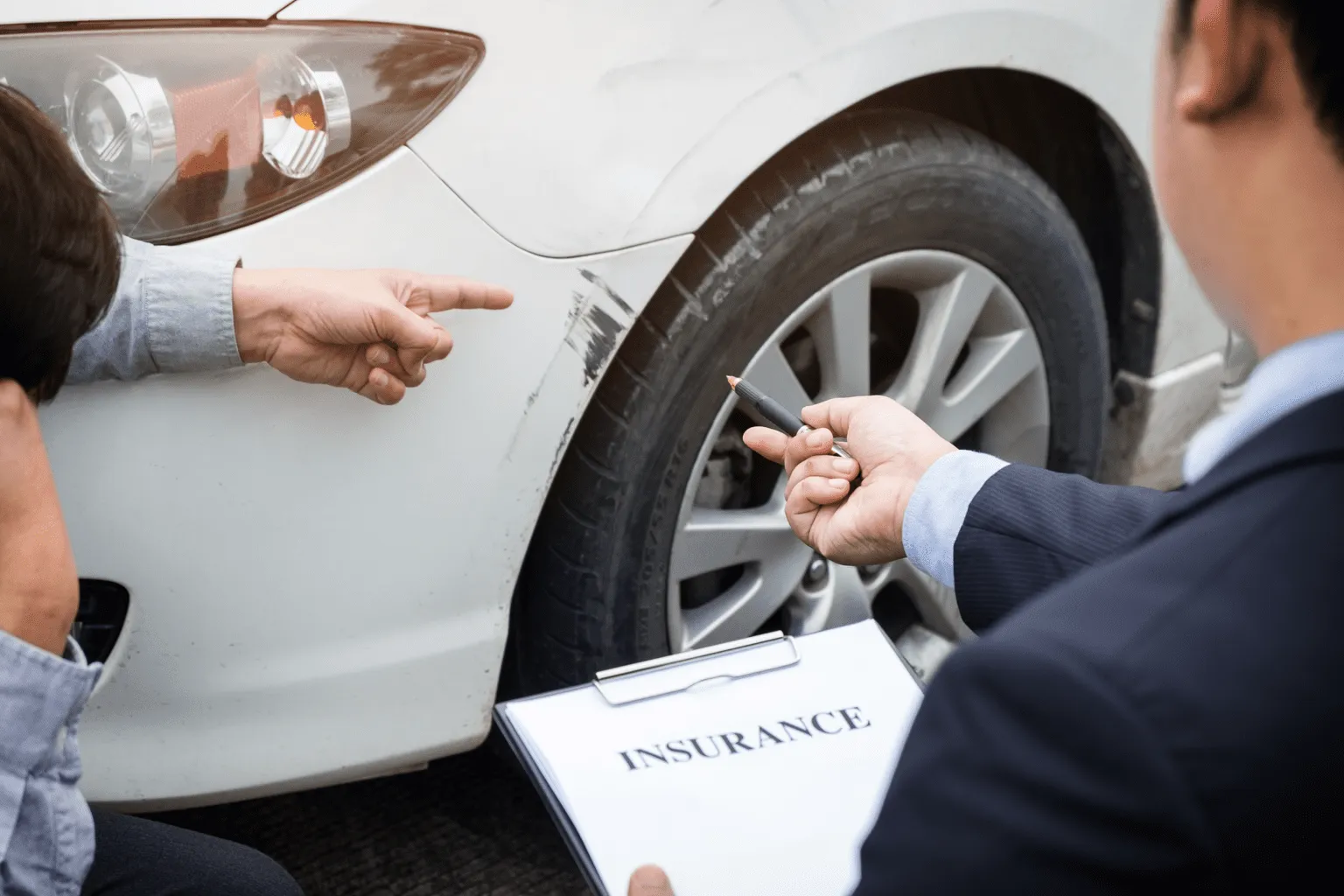

Auto Insurance 101: Coverage You Actually Need
 Journalist inNalar
06/05/2026 22:31
.
8 min read
Journalist inNalar
06/05/2026 22:31
.
8 min read

As we navigate the complexities of the 2026 financial landscape, the “Future of Finance” is increasingly defined by individual responsibility and data-driven decisions. For the American driver, auto insurance has evolved from a simple legal requirement into a sophisticated tool for wealth protection. With vehicle technology becoming more advanced and repair labor costs reaching historic highs in the global economy, understanding your policy is no longer optional. This “Auto Insurance 101” guide is designed to cut through the industry jargon and focus on the factual coverage you actually need to protect your ride and your financial future today.
In a world of rising premiums and “Social Inflation,” where litigation costs drive up prices for everyone, being an expert on your own policy is your best defense. Many drivers are currently paying for “bloated” policies with redundant add-ons, while others are dangerously underinsured in key areas that could lead to bankruptcy after a single highway accident. This article serves as a strategic roadmap for personal finance management, helping you identify the core pillars of protection that provide real value. By focusing on informational gain rather than marketing hype, you can build a policy that is both lean and resilient.
A significant study from early 2026 showed that nearly 40% of US drivers do not carry enough liability insurance to cover their total net worth. One case study involved a professional in Georgia who carried the state-minimum liability limits. After a multi-car collision where they were found at fault, the total damages exceeded their policy limits by over $150,000. Because the insurance company only paid up to the limit, the driver’s personal savings and future wages were targeted to cover the difference. This proves that the “cheapest” policy is often the most expensive mistake you can make in your personal finance journey.
1. The Three Pillars of Essential Coverage
To build a policy that actually works, you must understand the three primary categories of risk. The first and most critical is Liability Coverage, which is divided into Bodily Injury and Property Damage. This doesn’t protect your car; it protects your bank account from other people’s lawyers. In 2026, experts recommend a minimum of 100/300/100 coverage (meaning $100,000 per person for injuries, $300,000 per accident total, and $100,000 for property damage). This ensures that a single mistake on the road does not jeopardize your home or your retirement savings in a high-cost global economy.
The second pillar is Uninsured/Underinsured Motorist (UM/UIM) coverage. Despite legal requirements, a growing number of drivers in the US are hitting the road with no insurance or very low limits due to economic pressures. If one of these drivers hits you, your own UM/UIM coverage steps in to pay for your medical bills and lost wages. This is essentially “insurance for yourself,” and it is one of the most cost-effective ways to ensure that someone else’s financial irresponsibility doesn’t become your personal disaster. It is a fundamental component of a secure personal finance strategy.
The third pillar is Physical Damage coverage, consisting of Collision and Comprehensive. Collision covers damage to your vehicle from an accident, regardless of fault, while Comprehensive covers “Acts of God” like theft, fire, or the convective storms that have become more frequent in 2026. While these are often required if you have a car loan, they are still essential for anyone who cannot afford to replace their vehicle out of pocket tomorrow. By choosing a higher deductible, you can keep these premiums affordable while still maintaining a safety net for major losses.
2. Evaluating Modern Add-ons and Tech-Driven Discounts
Beyond the core pillars, the 2026 insurance market is flooded with optional “extras” that can quickly inflate your monthly premium. To stay an expert, you must evaluate these based on factual utility. For example, “Gap Insurance” is vital if you owe more on your car loan than the vehicle is worth, but it is useless once you have positive equity. Similarly, “Roadside Assistance” is a popular add-on, but many drivers already have this through their new car warranty or a premium credit card. Stripping away these redundancies is a quick way to lean out your policy without losing actual security.
- Telematics Discounts: In 2026, “Usage-Based Insurance” has become the primary way to get lower rates. By sharing your driving data, you can prove you are a low-risk driver and receive discounts of up to 30%.
- New Car Replacement: This is a valuable add-on for high-tech EVs or luxury vehicles, as it ensures you get a brand-new model if your car is totaled, rather than just the “depreciated value.”
- Glass Coverage: With the rise of specialized sensors in windshields, a single crack can now cost $1,500 to fix. “Full Glass” coverage is increasingly becoming an essential part of comprehensive protection.
Using these tools requires a proactive approach to your digital footprint. By allowing an insurer to see your safe driving habits or your vehicle’s safety logs, you are leveraging your own data to lower your costs. This is the hallmark of the future of finance: personal data becoming a personal asset. When you provide an insurer with factual evidence of your low-risk behavior, you force them to offer you their most competitive “Preferred” rates. It is a fair exchange that keeps your auto insurance quotes accurate and your budget on track.
3. The Impact of Global Inflation on Coverage Limits
As we look at the global economy in 2026, it is clear that “inflation” has hit the auto repair industry particularly hard. The cost of semiconductor chips and specialized sensors has made even minor “fender benders” much more expensive than they were five years ago. This means that the coverage limits that were “safe” in 2020 are now dangerously low. An expert manager of personal finance must adjust their “Property Damage” limits to account for the fact that many new cars on the road today cost over $60,000. If you hit a high-end EV and only have $25,000 in property damage coverage, you are personally on the hook for the rest.
Furthermore, medical inflation has outpaced general inflation, meaning a single hospital stay after an accident can easily exceed $50,000. This is why increasing your “Bodily Injury” limits is a non-negotiable part of a 2026 policy. Protecting your ride today means recognizing that the world is more expensive than it used to be. By staying informed about these macro trends and reviewing your policy annually, you can ensure that your financial shield is thick enough to withstand the realities of the modern road. It is about being an expert in risk mitigation so you can focus on building your wealth.
Ultimately, Auto Insurance 101 is about finding the “sweet spot” where you are fully protected but not overpaying for fluff. By focusing on high liability limits, essential UM/UIM protection, and strategic deductibles for physical damage, you are engineering a policy that is built for the 2026 economy. Stay proactive, use your data to your advantage, and remember that the goal of insurance is to make sure your worst day doesn’t become your financial end. Secure your future by making smart, factual choices about the coverage you actually need.
FAQ
What is the absolute minimum insurance I need?
Technically, it is whatever your state requires, but state minimums are almost never enough. If you only have the minimum and you cause a big accident, the other person can sue you for everything you own—your savings, your car, and even your future paychecks. You should always aim to have enough “Liability” coverage to match your total net worth.
Why is “Uninsured Motorist” coverage so important?
Because even though it’s illegal, a lot of people drive without insurance or with very bad plans. If one of them hits you, they won’t have any money to pay for your hospital bills. “Uninsured Motorist” coverage is like having a backup plan; it makes sure your own insurance company takes care of you when the other guy can’t.
Does a higher deductible always save me money?
Yes, it will definitely lower your monthly bill! But here is the catch: you have to actually have that money in the bank. If you set a $1,000 deductible but you only have $200 in savings, you won’t be able to get your car fixed after a crash. It is a smart move for your personal finance only if you have an emergency fund ready to go.
What is “Gap Insurance” and do I need it?
Gap insurance is for people who have a car loan. If your car is totaled and you owe $20,000 but the car is only worth $15,000, the insurance company usually only gives you $15,000. Gap insurance “fills the gap” and pays off that extra $5,000 so you aren’t stuck paying for a car you can’t drive anymore.
How often should I update my coverage limits?
I recommend checking them every single year. The cost of medical care and car repairs goes up every year, so what was “enough” last year might be “too low” today. A quick 10-minute check of your policy is the best way to make sure you aren’t leaving yourself open to a huge financial risk.