

Car Insurance Quotes: Shop the Best Rates Online
 Journalist inNalar
06/05/2026 22:27
.
8 min read
Journalist inNalar
06/05/2026 22:27
.
8 min read
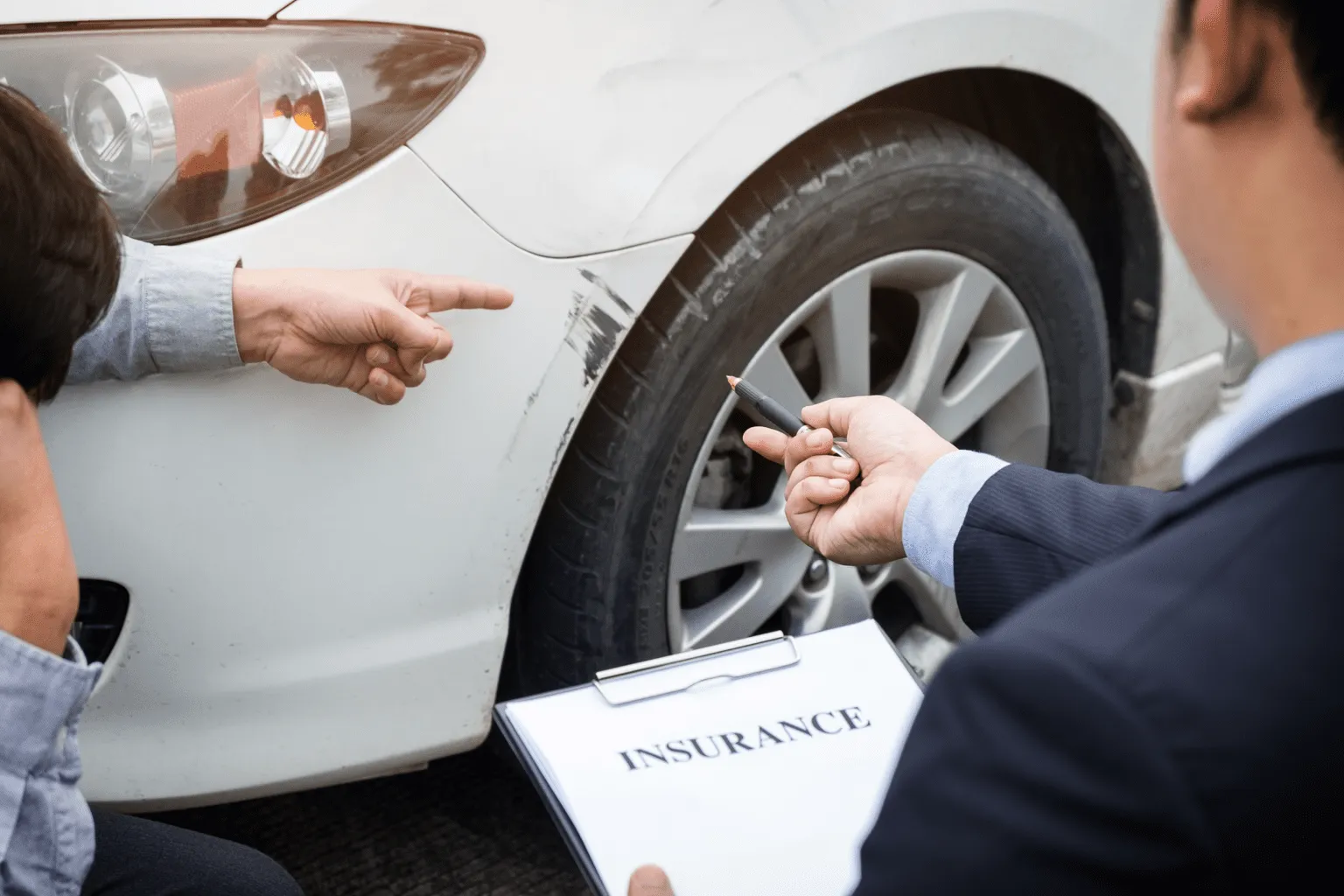
The American auto insurance market in May 2026 is defined by a significant transition toward data-driven transparency and personalized pricing. As national average premiums for full coverage hover around $2,930 annually, the traditional “set it and forget it” approach to insurance has become a financial liability. For the modern manager of personal finance, shopping for the best rates online is no longer just about finding a bargain; it is a strategic necessity to protect your wealth in an economy where repair costs and labor rates remain historically high. By leveraging the latest digital tools, you can cut through the noise and secure a policy that reflects your actual risk profile rather than a broad demographic estimate.
Shopping online in 2026 offers an “informational gain” that was previously unavailable to the average consumer. Modern comparison platforms now utilize real-time AI to analyze thousands of data points, from your vehicle’s specific safety sensors to your local area’s convective storm risks. This level of granularity means that two neighbors with similar cars might receive vastly different car insurance quotes based on their individual driving habits and credit-based insurance scores. This article serves as an expert guide to navigating the digital marketplace, ensuring you secure the most competitive rates available while maintaining the highest standard of protection for your vehicle.
A recent study from early 2026 highlighted a growing trend of “Social Inflation,” where aggressive litigation and higher jury awards have pushed insurers to raise rates in high-cost states like Florida and Maryland. However, drivers who regularly shop for rates online have managed to mitigate these increases. One case study involved a driver in Connecticut who faced a 20% renewal hike but found a 15% lower rate by switching to a carrier that prioritizes telematics data. This proves that while the global economy may be volatile, your personal insurance costs can remain stable if you are willing to use the digital tools at your disposal.
1. The Power of Online Comparison Platforms
In 2026, the most effective way to shop for insurance is through reputable comparison platforms like Insurify or Compare.com, which integrate with hundreds of carriers to provide real-time, factual quotes. These platforms have moved beyond simple lead generation; they now offer deep API integrations that allow you to see the actual price you will pay, rather than a “teaser” rate. By entering your details once, you can compare the market’s heavyweights alongside regional specialized insurers who may offer better rates for your specific zip code. This competitive environment forces insurers to bid for your business, putting the power of pricing back into your hands.
When using these platforms, it is essential to prioritize transparency and data privacy. Expert shoppers look for sites with high Trustpilot scores and clear “no-spam” policies to avoid a barrage of unsolicited calls. In 2026, the “Future of Finance” is as much about protecting your personal data as it is about protecting your car. By choosing a platform that respects your privacy, you can explore the global market for car insurance quotes without compromising your digital identity. This strategic approach ensures that you are only interacting with carriers that meet your specific standards for both cost and security.
2. Leveraging AI and Telematics for Better Rates
Artificial Intelligence has revolutionized the underwriting process in 2026, allowing for 70% faster processing times and more accurate risk modeling. Many online portals now offer “Snapshot” style programs where your actual driving behavior—tracked via a smartphone app—dictates your premium. If you are a safe driver who avoids hard braking and late-night trips, you can leverage this data to prove your low-risk status. These telematics-based plans are particularly beneficial for low-mileage drivers or remote workers who are often overcharged by traditional “fixed-rate” insurance models.
- Dynamic Pricing: In 2026, some insurers offer real-time pricing updates that reward you for consistently safe driving months, rather than waiting for a six-month renewal.
- Safety Feature Credits: Ensure the online quote tool recognizes your vehicle’s specific ADAS (Advanced Driver Assistance Systems), as these are now major factors in reducing collision premiums.
- Credit-Based Insurance Scores: Many online tools now perform a “soft pull” on your credit, allowing you to access “Preferred” pricing tiers if your financial history is stable.
By embracing these technological shifts, you move from being a passive consumer to an active participant in your insurance pricing. The “Elon Effect” on the automotive market has also seen more insurers offer specialized rates for EVs and vehicles with high safety ratings. Shopping online allows you to see which carriers have modernized their algorithms to reward these choices. It is a factual, data-driven way to ensure that your personal finance strategy remains resilient in a world where technology is constantly redefining the cost of risk.
3. Strategic Tactics to Drive Quotes Lower
Beyond just finding a new carrier, shopping online allows you to “test” different policy configurations to see how they impact your bottom line. One of the most effective maneuvers is the “Deductible Pivot,” where you increase your out-of-pocket costs for a lower monthly bill. In 2026, moving from a $500 to a $1,000 deductible can frequently lower your premium by up to 25%. For those with a dedicated emergency fund, this is a high-ROI move that reduces your fixed monthly expenses while keeping your primary assets fully protected against major losses.
You should also look for “Bundle” transparency in your online search. In 2026, many platforms allow you to see the real-time impact of combining your auto policy with homeowners or renters insurance. This “Personal Finance Synergy” is a proven way to secure loyalty discounts that legacy carriers often hide from their single-policy customers. Additionally, always check for “Affinity” discounts—some online portals now automatically scan for professional organizations or alumni groups that might qualify you for an extra 5% to 10% off. It is about leaving no stone unturned in your search for the best value.
Finally, the global economy’s impact on local repair labor means that “Roadside Assistance” or “Rental Reimbursement” add-ons are more expensive than ever. Shopping online gives you the clarity to strip away these redundant services if they are already provided by your car manufacturer’s warranty or your premium credit card. By leaning out your policy to only the essentials, you can ensure that every dollar of your premium is going toward meaningful protection. Stay proactive, stay informed, and treat your car insurance quotes as a dynamic part of your annual financial audit.
FAQ
Why are rates in states like Florida so much higher in 2026?
It’s a mix of things, but mostly it is about “Social Inflation” and weather. Florida has a lot of expensive lawsuits and a high risk for big storms, which makes it much more expensive for insurance companies to do business there. They pass those costs on to you, which is why shopping online to find the one company that is managing those risks better is so important.
Does checking quotes online multiple times hurt my credit?
No, not at all! When you shop for insurance online, companies do what is called a “soft pull” on your credit. It’s just a quick peek to see your financial habits, and it doesn’t leave a mark on your credit report. You can check as many different sites as you want to find the best deal without worrying about your score dropping.
What is the biggest mistake people make when shopping online?
The biggest mistake is just looking at the monthly price and ignoring the “Limits.” A plan might look “cheap” because it has the bare minimum coverage, but if you get into a big accident, it might not cover all the damage. Always make sure you are comparing “apples to apples” when it comes to how much protection you are actually getting.
Are “no-name” online insurance companies safe to use?
Many smaller, regional companies offer great rates, but you should always check their “A.M. Best” rating first. This rating tells you how much money they have in the bank to pay out claims. If they have an “A” rating or higher, they are usually a safe bet. Don’t just go for the lowest price; go for a company that can actually afford to help you when you need it.
Can I really get a discount for my car’s safety features?
Yes, and you should! In 2026, things like automatic braking and lane-keeping sensors are huge. If your online quote doesn’t ask about these, you might be leaving money on the table. Make sure you enter your VIN (Vehicle Identification Number) because that tells the insurance company exactly what safety tech your car has, which can trigger instant discounts