
Elon Musk’s Latest Crypto Moves You Should Know
 Journalist inNalar
06/05/2026 21:54
.
7 min read
Journalist inNalar
06/05/2026 21:54
.
7 min read
The influence of Elon Musk on the digital asset market has entered a new, more structural phase in 2026. While the “Elon Effect” was once defined by sporadic tweets and meme-driven volatility, it has now matured into a focused effort to integrate financial services directly into the global social fabric. As the owner of X (formerly Twitter) and the leader of multiple frontier technology companies, Musk’s recent decisions are fundamentally reshaping the “Future of Finance.” For investors and enthusiasts alike, understanding these moves is essential to navigating a global economy where social media and digital banking are becoming a single, unified entity.
Musk’s strategy in 2026 revolves around the concept of “X Money”—a comprehensive financial ecosystem designed to turn a social platform into a global economic powerhouse. By securing money-transmitting licenses across nearly every US state, Musk has moved beyond theoretical support for crypto and into the realm of functional utility. This transition from “influencer” to “infrastructure provider” marks a critical turning point for the crypto market. The following analysis explores the specific moves Musk has made this year and what they mean for the long-term trajectory of the most popular digital assets.
+2
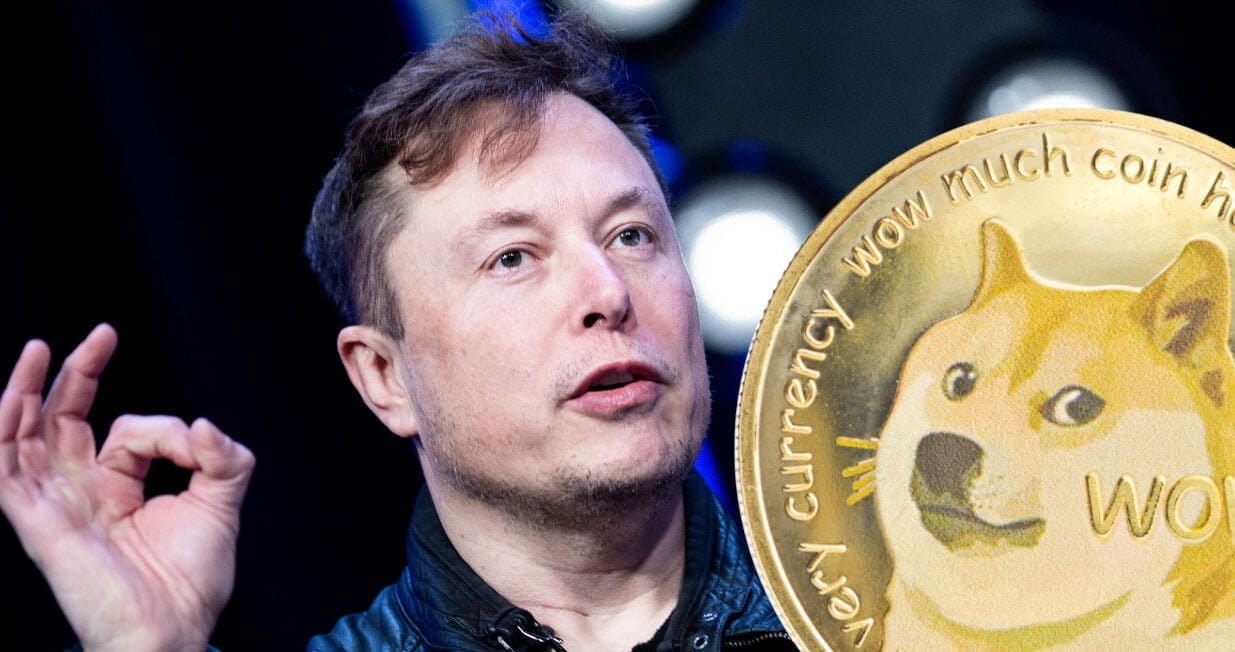
A notable case study from May 2026 involved a sudden 7% surge in Dogecoin’s value following the official launch of the “X Payments” beta for premium users. Unlike previous rallies sparked by memes, this move was driven by the factual integration of a crypto-native payment button within the X interface. This development allowed a select group of creators to receive tips and settlements in DOGE instantly, bypassing traditional banking fees. This shift from speculation to real-world application proves that Musk’s long-term vision for “the people’s currency” is finally manifesting as a core component of the global digital economy.
1. The Launch of X Money and Peer-to-Peer Crypto
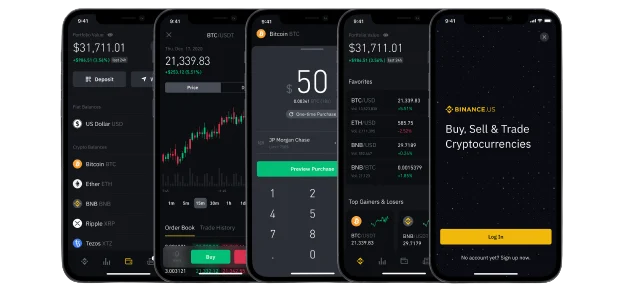
The rollout of X Money in early 2026 represents Musk’s most ambitious move in the fintech space to date. This system, built in partnership with major payment processors, allows users to send both fiat and cryptocurrency as easily as sending a direct message. By integrating “Smart Cashtags,” the platform enables real-time price tracking and instant trade execution directly within the user’s timeline. This eliminates the friction that has historically prevented mass adoption, making digital assets a seamless part of daily social interaction for over 600 million users.
+1
The architectural choice to support major cryptocurrencies alongside traditional currencies is a strategic play for global dominance. Musk has positioned X Money as a competitor to traditional “Super Apps” like WeChat, but with a decentralized twist that appeals to the Western market. For the average user, this means your social media profile is now your primary digital wallet and your gateway to the global market. The speed at which these features have been adopted suggests that the barrier between social networking and personal finance has been permanently dissolved.
+1
Instant Settlements: X Money utilizes high-speed blockchain bridges to ensure that peer-to-peer transfers are settled in seconds, not days.
Unified Dashboard: Users can now view their stock and crypto portfolios side-by-side within the X app, providing a holistic view of their wealth.
Verified Security: The platform has integrated advanced biometric authentication to protect digital wallets from the rising threat of AI-driven social engineering.
2. The Dogecoin Evolution: From Meme to Utility
Dogecoin remains the centerpiece of Musk’s crypto narrative, but its role has evolved significantly as of mid-2026. Following the approval of the first Dogecoin ETFs in late 2025, Musk has championed the coin as a functional medium of exchange rather than just a speculative asset. His recent announcement that Dogecoin would be the primary currency for Starlink’s “Global Roaming” payments has provided the coin with a level of industrial utility that few other digital assets possess. This move has forced institutional analysts to reconsider Dogecoin’s value proposition within a diversified portfolio.
Furthermore, the integration of Dogecoin into the Tesla “Supercharger” network for automated payments is currently in pilot testing. This allows Tesla vehicles to communicate directly with charging stations and settle payments using a dedicated Dogecoin wallet linked to the car’s VIN. This “Machine-to-Machine” economy is a hallmark of the future of finance, where human intervention in daily transactions is minimized. By backing Dogecoin with these real-world use cases, Musk is attempting to stabilize its price and prove its viability as a sustainable global currency.
3. Bitcoin, Tesla, and Corporate Treasury Shifts
Musk’s relationship with Bitcoin has also seen a “professional recalibration” in 2026. While Tesla continues to hold a significant portion of its treasury in Bitcoin, Musk has shifted his public focus toward the network’s energy efficiency improvements. Following the 2026 Bitcoin Halving, Musk highlighted the increased adoption of sustainable mining practices by major US-based miners. This has led to speculation that Tesla may soon resume accepting Bitcoin for high-end vehicle purchases, a move that would provide another massive catalyst for the market.
In the global economy, Tesla’s Bitcoin holdings are now viewed as a strategic hedge against currency debasement. As central banks navigate the complexities of 2026 inflation targets, Musk’s commitment to a “hard money” asset like Bitcoin serves as a signal to other corporate leaders. We are seeing a trend where more technology companies are following Tesla’s lead, allocating 1% to 3% of their cash reserves to digital assets. Musk’s moves in the corporate treasury space have created a “blueprints for stability” that other CEOs are now using to protect their shareholders’ interests.
Ultimately, Elon Musk’s latest crypto moves are about more than just market swings; they are about building the plumbing for a new financial reality. Whether it is through the X Payments system, the industrial utility of Dogecoin, or the strategic holding of Bitcoin, Musk is ensuring that his companies remain at the forefront of the digital revolution. For the modern investor, staying informed about these developments is not just a matter of curiosity—it is a requirement for surviving and thriving in the “Everything App” era of finance.
As of May 2026, the rollout is still in the beta phase. If you are a premium subscriber in certain US states, you can already tip creators and pay for some digital goods using the “X Payments” button. Musk has said the goal is to make it a universal payment option for almost everything on the platform by the end of the year.
Did Elon Musk settle his legal issues with the SEC?
Yes, just recently in May 2026, a trust in Musk’s name paid a $1.5 million penalty to settle a case regarding his 2022 Twitter stock purchase. While this doesn’t end every legal battle he has, it clears a major hurdle for his financial plans with X. It shows he is willing to pay the fines to keep his “Everything App” moving forward.
Is Tesla buying more Bitcoin this year?
Tesla hasn’t announced any massive new buys in 2026, but they haven’t sold their core holdings either. They seem to be treating it like a long-term savings account. Whenever the market gets rocky, people look to Tesla’s quarterly reports to see if Musk is still “holding the line,” and so far, he is.
What is “X Money” and do I need a new app for it?
You don’t need a new app! X Money is being built directly into the X app you already have. It is like having a bank account and a crypto wallet inside your social media profile. Musk wants it to be the “central source of all your monetary transactions,” so you never have to leave the app to pay a bill or send money to a friend.
Why does Elon prefer Dogecoin over Bitcoin for payments?
Elon has always said that Bitcoin is more like “Digital Gold”—great for saving but a bit slow for buying a coffee. He likes Dogecoin because it is faster and the transaction fees are much lower. He calls it “the people’s currency” because it was designed to be used for daily spending, not just sitting in a vault.