
Must-Have Crypto Apps for Your Smartphone
 Journalist inNalar
06/05/2026 22:42
.
7 min read
Journalist inNalar
06/05/2026 22:42
.
7 min read
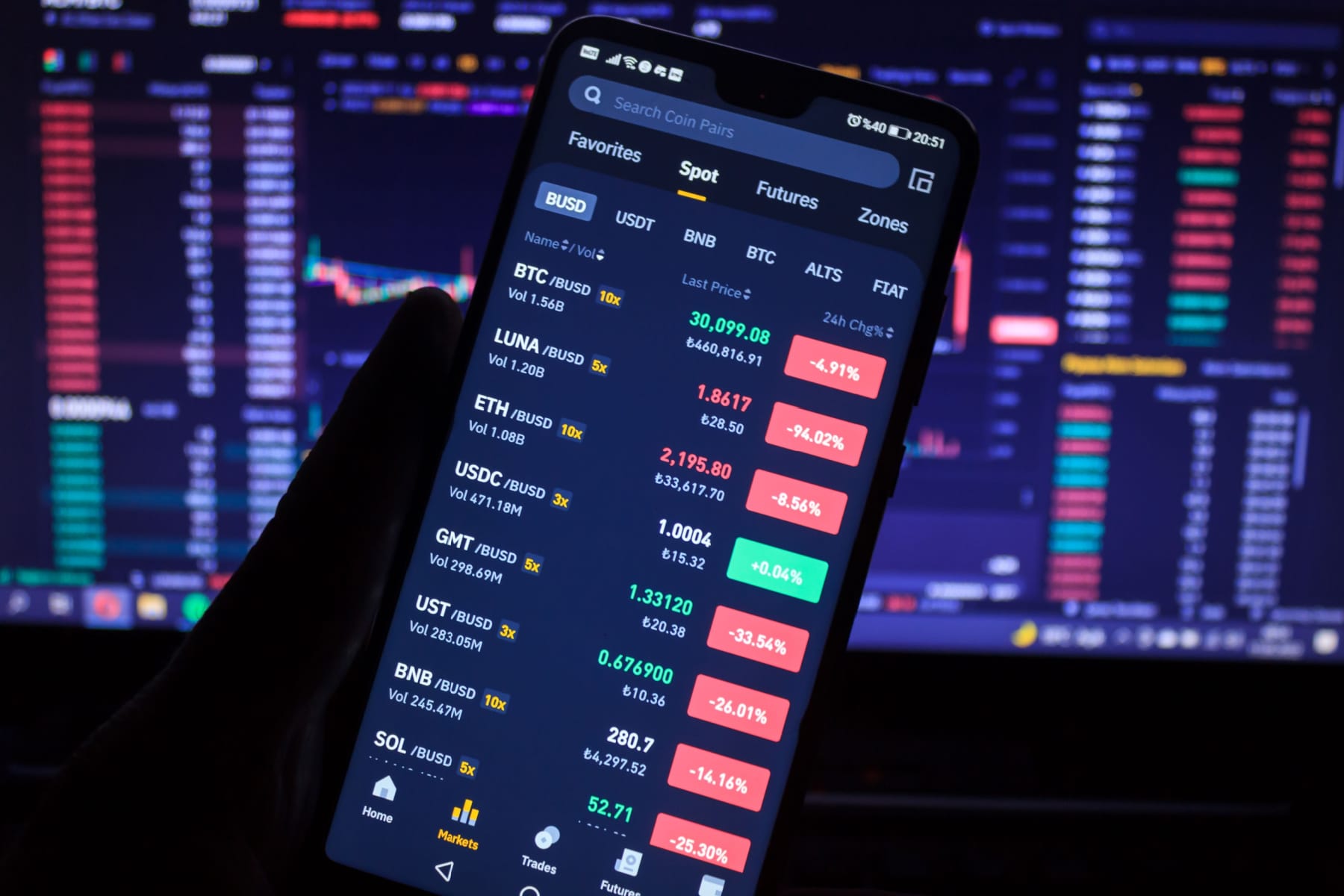
The financial landscape of 2026 has moved past the era of “testing the waters” with digital assets. In the United States, cryptocurrency is now a foundational element of a sophisticated personal finance strategy, necessitating a suite of mobile tools that are as secure as they are versatile. For the modern investor, your smartphone is no longer just a communication device; it is a high-speed gateway to the global economy and the “Future of Finance.” To stay competitive and secure, you must equip your device with a curated selection of apps that provide real-time data, institutional-grade security, and seamless utility. This guide outlines the essential applications required to manage your digital wealth with the expertise of a professional trader.
As we navigate this decentralized era, the distinction between a “casual user” and an “expert” lies in the tools they deploy. The market in 2026 is defined by rapid shifts and “informational gain,” where having the right data five minutes before the crowd can mean the difference between a successful rebalance and a missed opportunity. From cold-storage bridges to AI-driven sentiment trackers, the following apps represent the gold standard for smartphone-based crypto management. By integrating these into your daily routine, you ensure that your ride is protected and your portfolio is optimized for the ongoing digital revolution.
A compelling case study from early 2026 involved a retail investor in California who avoided a major market “flash crash” by utilizing automated price alerts and a decentralized bridge app. While centralized exchanges experienced temporary lag due to high volume, this investor was able to move assets into a stablecoin via a self-custody app in under sixty seconds. This proves that the right smartphone setup provides a level of agility that traditional banking simply cannot match. In 2026, being an expert means having a “Plan B” directly in your pocket, ready to execute at the touch of a biometric sensor.
1. The Essential Trading and Custody Duo
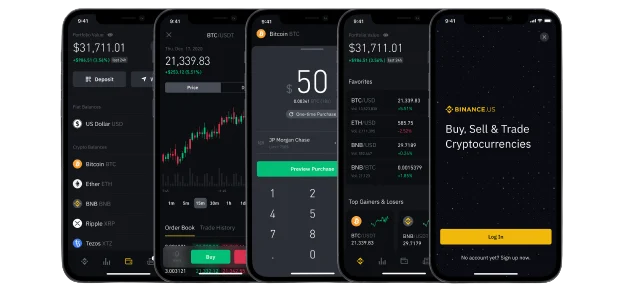
Every smartphone-based portfolio must start with a reliable, regulated exchange app and a companion self-custody wallet. In the US, Coinbase remains the premier choice for its balance of user-friendly design and “Coinbase Advanced” features for professional charting. However, an expert knows that keeping all assets on an exchange is a risk. This is why the Coinbase Wallet or a similar non-custodial app like MetaMask is a mandatory second half of the duo. This setup allows you to trade with high liquidity while maintaining total control over your private keys for long-term “HODLing.”
- Biometric Synchronization: Top-tier apps in 2026 now allow for seamless FaceID or Fingerprint “Step-up” authentication between your exchange and your private wallet.
- Direct Bank Integration: Modern apps utilize FedNow or similar instant-transfer protocols, allowing you to move USD into crypto in seconds to catch a market dip.
- Tax Compliance Tools: Essential apps now include “one-tap” export features for IRS Form 8949, making the personal finance aspect of crypto much less of a headache.
For those who prioritize institutional-grade security, the Fidelity Crypto app has become a must-have for 2026. By integrating your digital assets with your traditional brokerage account, Fidelity provides a holistic view of your wealth that few other apps can offer. While it has fewer “altcoins” than Coinbase, its custody is handled by Fidelity Digital Assets, offering a level of “peace of mind” that is vital for conservative investors. Having both a “native” crypto app and a “legacy” bridge app like Fidelity ensures you have maximum flexibility in how you manage your assets.
2. Real-Time Intelligence and Market Sentiment
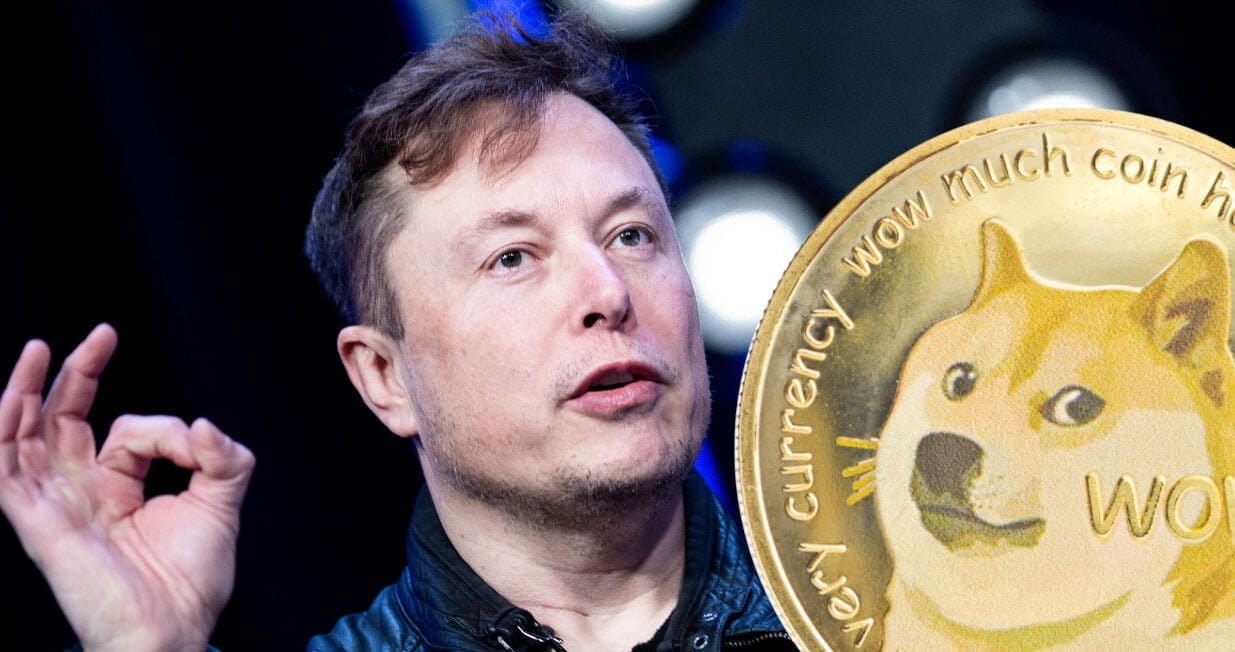
In the global economy, information is the most valuable currency. To complement your trading apps, you need a high-performance market aggregator like CoinGecko or CoinMarketCap. In 2026, these apps have evolved to include “AI-Sentiment Scores,” which analyze millions of posts on X (Twitter) and Reddit to provide a factual “Hype Meter” for specific tokens. This helps you decode whether a price move is driven by fundamental utility or just the latest “Elon Effect.” These intelligence tools are the “secret sauce” for investors who want to move beyond simple guesswork.
Another indispensable tool is an on-chain analytics app like Dune or Nansen Portfolio. These apps allow you to “look under the hood” of the blockchain to see what large “Whales” are doing with their money in real-time. If you see hundreds of millions in Bitcoin moving from wallets to exchanges, it’s a factual signal that a sell-off might be coming. Using these tools turns your smartphone into a mobile command center, providing the same level of data transparency that was once reserved for Wall Street professionals. It is the ultimate expression of the “Future of Finance” being democratized for everyone.
3. Security and Privacy: The Defensive Layer
With the rise of sophisticated AI-driven phishing attacks in 2026, a standard password is no longer enough to protect your smartphone. A must-have app for every crypto user is a dedicated “Hardware Key Manager” or a robust authenticator like 2FA (Authy or Google Authenticator). However, the expert choice today is a hardware-based app like Yubico, which requires a physical key to be tapped against your phone to approve any withdrawal. This “Physical Layer” of security makes it virtually impossible for a remote hacker to steal your funds, even if they have your password.
Additionally, a privacy-focused browser like Brave is essential for accessing decentralized finance (DeFi) sites on your phone. Brave blocks the trackers and “malvertising” that often plague crypto websites, ensuring that your connection to the global market is clean and secure. Protecting your ride means securing every entry point, and a secure browser is the first line of defense against the digital “road hazards” of the internet. By layering these defensive apps, you create a digital fortress that allows you to trade and invest with total confidence.
Ultimately, the “Must-Have” list is about creating a balanced ecosystem of speed, data, and security. As we move through 2026, the apps on your smartphone will continue to evolve, but the principles of expert management remain the same: verify the data, secure the keys, and stay informed. Whether you are checking your 401(k)-linked Bitcoin on Fidelity or hunting for the next big utility token on a DEX, these apps ensure you are always in the driver’s seat of your financial future. Stay proactive, keep your apps updated, and treat your smartphone like the powerful financial instrument it has become.
FAQ
Why can’t I just use one app for everything?
In the crypto world, “one app for everything” is a huge security risk. If that one app gets hacked or has a technical glitch, you lose access to everything. Experts use a “Split Strategy”—one app for fast trading, one for long-term storage, and another for checking data. It keeps your money safer and gives you more tools to work with.
Do these apps cost money to use?
Most of the apps themselves are free to download, but they make money through “network fees” or “spreads” when you actually make a trade. Some advanced data apps might have a monthly subscription for the best AI features, but for most people, the free versions of the top-rated apps are more than enough to get the job done.
Is it safe to trade crypto on public Wi-Fi?
Honestly, no. It’s a bad idea. If you have to do it, make sure you are using a VPN and that your apps have “Biometric Gating” (FaceID) turned on for every trade. The safest way is to use your phone’s cellular data or a trusted home network. Hackers love public Wi-Fi because it’s an easy way to “listen in” on your digital transactions.
What happens if I lose my phone with these apps on it?
As long as you have your “Recovery Seeds” (those 12 or 24 words) written down and stored in a safe place, you are fine! You just get a new phone, download the apps, and enter your seeds to get your money back. The money isn’t actually “in” the phone; it’s on the blockchain, and your phone is just the remote control.
Which app is best for a complete beginner in 2026?
Coinbase or Robinhood are usually the best places to start because they are very simple and look like the apps you already use for banking. Once you feel comfortable and have a bit of money in there, you can start looking at “Self-Custody” apps or more technical tools like Kraken Pro to save on fees and get more data.